
 English
 Spanish
 French
 German
 Italian
 Chinese (Simplified)
 Japanese
 Korean
 Arabic
 Portuguese
 07971189427
 Send Inquiry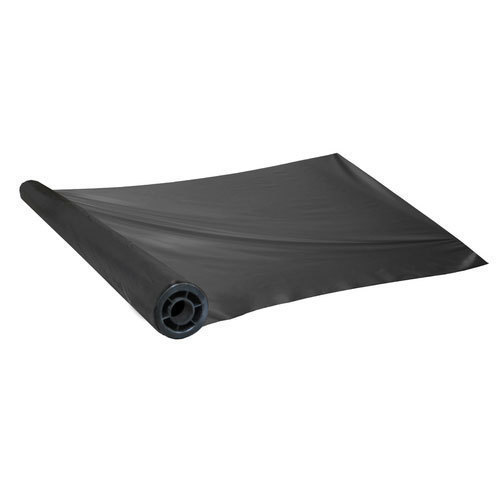
Biodegradable Mulch Film
120.00 - 175.00 INR/Kilograms
Product Details:
- Product Type Biodegradable Mulch Film
- Processing Extrusion
- Transparency Translucent
- Hardness Soft
- Lamination Single
- Customized Yes
- Standard ISO 9001
- Click to view more
X
Biodegradable Mulch Film Price And Quantity
- 120.00 - 175.00 INR/Kilograms
- 500 Kilograms
Biodegradable Mulch Film Product Specifications
- Biodegradable Mulch Film
- Yes
- Soft
- Translucent
- 1 meter
- Single
- 400 m
- Extrusion
- ISO 9001
- 25 micron
Biodegradable Mulch Film Trade Information
- 20000 Kilograms Per Day
- 2 Days
Product Description
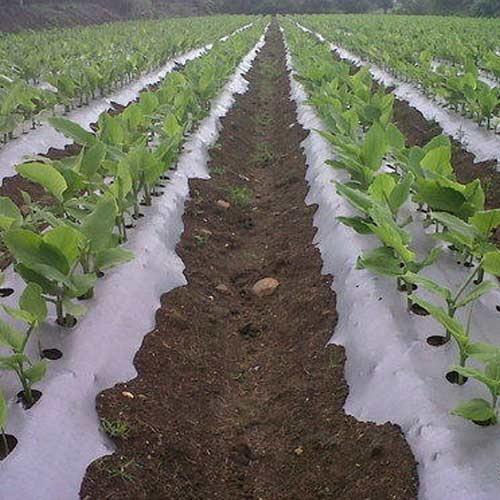
Biodegradable mulch film is an environmentally-friendly alternative to traditional plastic mulch film used in agriculture and gardening. It is made from biodegradable materials, such as plant-based polymers or compostable plastics, that break down naturally over time. The film is placed on the soil surface to suppress weed growth, retain moisture, regulate soil temperature, and enhance crop productivity. As it biodegrades, it eliminates the need for manual removal, reducing waste and soil pollution.
FAQ (Frequently Asked Questions):
Q: What is the purpose of biodegradable mulch film?
A: The purpose of biodegradable mulch film is to provide similar benefits as traditional plastic mulch film while minimizing environmental impact. It helps suppress weeds, conserve soil moisture, regulate soil temperature, prevent erosion, and enhance crop yield and quality.
Q: How does biodegradable mulch film work?
A: The film is placed on the soil surface, covering the area around the plants. It creates a barrier that suppresses weed growth by blocking sunlight, preventing weed competition with crops. The film also helps retain moisture in the soil, reducing the need for irrigation, and regulates soil temperature by insulating the root zone. As the film biodegrades over time, it breaks down into organic matter, enriching the soil.
Q: How long does biodegradable mulch film take to break down?
A: The breakdown time of biodegradable mulch film can vary depending on factors such as film composition, thickness, and environmental conditions. Typically, it can take several months to a year for the film to fully biodegrade. However, some films may have specific breakdown times specified by the manufacturer.
Q: Is biodegradable mulch film safe for plants and the environment?
A: Yes, biodegradable mulch film is generally considered safe for plants and the environment. It is designed to break down into non-toxic components that do not harm plants or introduce harmful substances into the soil. However, it is important to choose reputable brands and follow manufacturer recommendations to ensure the film's safety and effectiveness.
Q: Can biodegradable mulch film be used with all types of crops?
A: Biodegradable mulch film can be used with various types of crops, including vegetables, fruits, flowers, and herbs. However, it is advisable to check the specific requirements of each crop and consult with agricultural experts for optimal application methods and compatibility.
Environmentally Superior Mulching Solution
Opt for our biodegradable mulch film to combine efficiency and sustainability with every cultivation. Its PLA/PBAT blend ensures a reduced environmental footprint, complying fully with EN 13432 standards. After serving its purpose, the film naturally decomposes, enriching the soil and eliminating disposal concerns. Enjoy a productive harvest while supporting earth-friendly agricultural practices.
Robust Performance and Longevity
Designed to endure India's challenging agricultural environments, the film resists UV rays and maintains integrity thanks to its high tensile strength. With a shelf life of up to two years and a customized roll packaging, farmers can store and deploy the film when required. Its low water permeability helps retain moisture, promoting healthier crop growth.
FAQ's of Biodegradable Mulch Film:
Q: How does the biodegradable mulch film work in agricultural applications?
A: The mulch film is laid over soil surfaces before planting, suppressing weed growth, conserving soil moisture, and moderating temperature. Its composition of PLA/PBAT blend provides durability while supporting healthy crop development.Q: What benefits does using this mulch film offer over conventional plastic films?
A: Unlike traditional plastics, this biodegradable film breaks down within 6-12 months, minimizing environmental impact and disposal costs. It enriches soil by decomposing naturally and contains no harmful residues, making it suitable for sustainable farming.Q: When should the mulch film be applied and for which types of crops is it ideal?
A: Apply the film prior to planting or transplanting crops. It is well suited for vegetables, fruits, and plantation crops, offering effective coverage throughout the growing season due to its controlled degradation timeline.Q: Where is your biodegradable mulch film manufactured and to which standards?
A: Produced in India, the film meets ISO 9001 and EN 13432 biodegradability standards. Its manufacture via extrusion processing ensures consistent quality and customization to various agricultural requirements.Q: What is the recommended process for installing the mulch film in the field?
A: Unroll the film over prepared soil beds, ensuring the black, translucent layer is stretched smoothly. Anchor the film's edges with soil or mulch to prevent movement. Transplant seedlings through small openings cut into the film.Q: How does the film's low water permeability and UV resistance benefit crop growth?
A: Low water permeability prevents unnecessary evaporation, retaining moisture for crops, while UV resistance preserves the film's strength and performance despite prolonged sun exposure, resulting in stable field conditions.Q: Can the mulch film be tailored to specific farm requirements?
A: Yes, customization options are available regarding film length, thickness, or width to accommodate different crop types, field sizes, or agricultural practices. Contact us to discuss your unique specifications.Tell us about your requirement

Price:
Quantity
Select Unit
- 50
- 100
- 200
- 250
- 500
- 1000+
Additional detail
Mobile number
Email

Other Products in 'Agricultural Film' category


Contact Us

- No : A- 2/2-2 & 3, Site - B, Surajpur Industrial Area, Greater Noida - 201306, Uttar Pradesh, India
- Phone : 07971189427
GST : 09AAJCS2754B1ZE

- Mr Sonal Goyal (Director)
- Mobile :07971189427
- sonalgoyal@sukicreations.com
- 09811398551

 Send Inquiry
 Send SMS
 Call Me Free
SUKI CREATIONS PVT. LTD.
All Rights Reserved.(Terms of Use)
Developed and Managed by Infocom Network Private Limited.
Developed and Managed by Infocom Network Private Limited.

